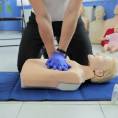
Night Worker Health Assessments
Protect your staff. Support wellbeing. Stay compliant.
Night workers are essential to safe, reliable services around the clock. However, regular night work can affect sleep, fatigue, physical health, mental wellbeing and a person’s ability to work safely overnight.
ACI Training & Consultancy provides confidential Night Worker Health Assessments for health and social care employers and other organisations with staff who regularly work at night. Our service helps you meet your responsibilities under the Working Time Regulations 1998, protect employee wellbeing and maintain clear evidence of a structured assessment process.
Employers must offer a free health assessment before someone becomes a night worker and continue to offer regular assessments during their employment. The worker can choose whether to accept the assessment.
A focused assessment for night work
A general pre-employment or fitness-to-work assessment does not necessarily examine the specific effects of night work. A Night Worker Health Assessment focuses on whether working nights could adversely affect an employee’s health, safety or wellbeing.
Our Night Worker Health Assessment service
ACI provides a straightforward, professionally managed process for assessing and monitoring the health of your night workforce. The service includes:
- A confidential Night Worker Health Questionnaire
- Review by ACI’s Occupational Health Team
- A clear fitness-for-night-work outcome
- Practical recommendations and workplace adjustments where appropriate
- Further Occupational Health Nurse review where required
- A recommended reassessment date
- A national service for organisations across the UK
Following review, your organisation receives an appropriate outcome and any relevant recommendations, while the employee’s confidential health information is handled securely.
Who is the service for?
Our Night Worker Health Assessment service is suitable for organisations that employ people who regularly work overnight, including:
- Residential care homes and nursing homes
- Supported living services
- Domiciliary care and home care providers
- Complex care providers
- NHS organisations and independent healthcare providers
- Dental practices and clinics with night or on-call workers
- Local authorities and commissioned care services
- Children’s residential services and hospices
The service is particularly valuable for registered managers, owners, HR teams, occupational health leads and compliance managers who need a consistent and auditable process for supporting night workers.
Why Night Worker Health Assessments matter
Night work can affect people in different ways. Changes to sleep patterns and working hours may contribute to fatigue, reduced concentration or difficulties managing an existing health condition. In services supporting vulnerable adults or children, identifying concerns early can help protect employees, colleagues and the people receiving care or support.
A structured assessment programme can help your organisation:
- Meet its responsibilities under the Working Time Regulations 1998
- Identify health concerns that may be affected by night working
- Consider reasonable adjustments or alternative arrangements where appropriate
- Support employee wellbeing, attendance and retention
- Reduce fatigue-related risks and support safer service delivery
- Maintain confidential records showing assessments were offered and completed
- Strengthen workforce governance and readiness for audits or inspections
What does a Night Worker Health Assessment cover?
The confidential questionnaire considers health factors that could be affected by regular night work, including:
- Sleep difficulties and sleep disorders
- Diabetes and conditions affected by meal timing
- Heart and circulatory conditions
- Mental health and wellbeing concerns
- Gastrointestinal or other long-term health conditions
- Medication that must be taken at particular times
- Pregnancy-related considerations
- Previous health problems associated with night work
The purpose is not to prevent people from working nights. It is to identify whether support, adjustments, further information or additional occupational health input may be beneficial so that the employee can work safely wherever possible.
How the assessment process works
1. Refer your night workers
Provide the required employee and role information through ACI’s agreed secure process.
2. Complete the confidential questionnaire
Each employee completes a Night Worker Health Questionnaire covering factors that may be affected by night work.
3. Occupational health review
ACI’s Occupational Health Team reviews the information. Where a response requires clinical judgement, the case is reviewed by a suitably qualified Occupational Health professional.
4. Receive a clear outcome
Your organisation receives an appropriate fitness-for-night-work outcome and any relevant recommendations, without unnecessary disclosure of confidential medical information.
5. Act on recommendations
Where appropriate, the outcome may suggest workplace adjustments, additional information, further occupational health review or discussion with the employee.
6. Plan future reviews
ACI provides a recommended reassessment date to help you maintain an ongoing and consistent process.
Night Worker Health Assessment or Fitness-to-Work Assessment?
The two assessments are complementary, but they answer different questions.
Area
Fitness-to-Work Assessment
Night Worker Health Assessment
An employee may be fit to perform their role but still need support or adjustments to undertake regular night work safely.
Benefits for employers
Demonstrate compliance
Use a consistent process to offer, complete and record Night Worker Health Assessments.
Identify risks early
Recognise concerns before they affect wellbeing, attendance, performance or safety.
Support safer care and services
Help night staff remain alert, supported and able to carry out their responsibilities safely.
Strengthen workforce governance
Maintain clear evidence of a proactive approach to occupational health and employee wellbeing.
Support retention
Show employees that their health is valued and address problems before they contribute to absence or resignation.
Benefits for employees
- Early identification of health concerns that may be affected by night work
- Access to appropriate occupational health guidance
- Consideration of reasonable workplace adjustments where needed
- Support for safer and more sustainable night working
- Reassurance that health information is handled confidentially
- Greater confidence that their employer takes wellbeing seriously
Why choose ACI Training & Consultancy?
ACI has supported health and social care organisations with occupational health, training and compliance services for more than 20 years. We understand the operational pressures faced by care providers, healthcare organisations and regulated services, and we make the assessment process clear and manageable for employers and employees.
Occupational health expertise
Assessments are managed through ACI’s Occupational Health Team, with qualified clinical review where required.
Sector understanding
Our team understands the realities of night work in care, healthcare and other safety-critical settings.
Clear, practical outcomes
You receive concise outcomes and useful recommendations that managers can act on.
Confidential and professional
Health information is handled sensitively and shared only as appropriate.
Scalable national delivery
We can support individual organisations and larger groups with night workers across multiple locations.
Common questions about Night Worker Health Assessments
What is a Night Worker Health Assessment?
It is a confidential health screening that considers whether regular night work could adversely affect an employee’s health, safety or wellbeing. It can also identify whether support, adjustments or further occupational health advice may be needed.
Who is classed as a night worker?
A night worker is generally someone who regularly works for at least three hours during the night period. The standard night period is 11pm to 6am, although an organisation may agree a different seven-hour period that includes midnight to 5am.
Do employers have to offer Night Worker Health Assessments?
Yes. Employers must offer a free health assessment before someone becomes a night worker and offer regular assessments throughout their employment. Workers do not have to accept, but employers should retain confidential records of completed assessments, and the dates assessments were offered.
How often should night workers be assessed?
An assessment must be offered before night work begins and then regularly during employment. The appropriate frequency can depend on the individual assessment and circumstances. ACI provides a recommended reassessment date to support ongoing monitoring which is usually on an annual basis.
How is ACI’s Night Worker Health Assessment completed?
The employee completes a confidential health questionnaire. ACI’s Occupational Health Team reviews the information and arranges additional clinical review where a response needs further assessment.
What does the employer receive?
The employer receives an appropriate fitness-for-night-work outcome, any relevant recommendations and a suggested review date. Detailed confidential medical information is not disclosed unnecessarily.
What happens if a health concern is identified?
A health concern does not automatically prevent the employee from working nights. ACI may recommend workplace adjustments, further information, additional occupational health review or another appropriate next step.
Is a Night Worker Health Assessment the same as a pre-employment health assessment?
No. A pre-employment or fitness-to-work assessment considers general fitness for a role. A Night Worker Health Assessment specifically examines whether night work may affect the employee’s health or safety. One assessment does not automatically replace the other.
Can an employee refuse the assessment?
Yes. A worker can choose not to accept the assessment. The employer should record that it was offered and continue to meet its responsibilities for protecting the worker’s health, safety and wellbeing.
Can ACI support organisations with multiple locations?
Yes. ACI provides a scalable national service for organisations with small or large night workforces, including groups operating across multiple sites.
Arrange Night Worker Health Assessments for your team
Whether you employ a small night team or manage services across multiple locations, ACI can help you put a clear, consistent and professionally managed assessment process in place.
Protect your staff. Support wellbeing. Stay compliant.
Contact ACI Training & Consultancy to discuss your night workforce, request further information or arrange Night Worker Health Assessments for your organisation.

Our Health Screening Services
Answers to common questions about pre‑employment health screening and fit to work assessments
What does occupational health screening include for healthcare and education roles?
Screening includes a health questionnaire, role risk review, immunity evidence checks, serology for Hepatitis B, MMR and varicella where required, TB risk assessment and IGRA if indicated, vaccinations and a signed fit to work certificate.
How fast can I get a fit to work certificate?
For straightforward cases, certificates are issued on the same day. Urgent start dates can be prioritised where safe, with interim fitness and controls if vaccinations are pending.
Do you provide EPP clearance for dentists and theatre staff?
Yes. We complete blood‑borne virus testing where indicated and provide documented EPP clearance under clinical oversight, aligned to role requirements.
Can you support multi‑site providers and agency intakes?
Yes. We manage single candidates and large cohorts.
Are healthcare worker immunisation checks included?
No. We do not provide immunisations, we only provide support and guidance.
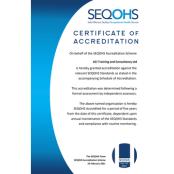
Is the service SEQOHS‑accredited?
Your screening is delivered by a SEQOHS‑accredited clinical team with documented governance, audit trails and named sign‑off on certificates.